
Is Canada ready for Nunavut devolution?
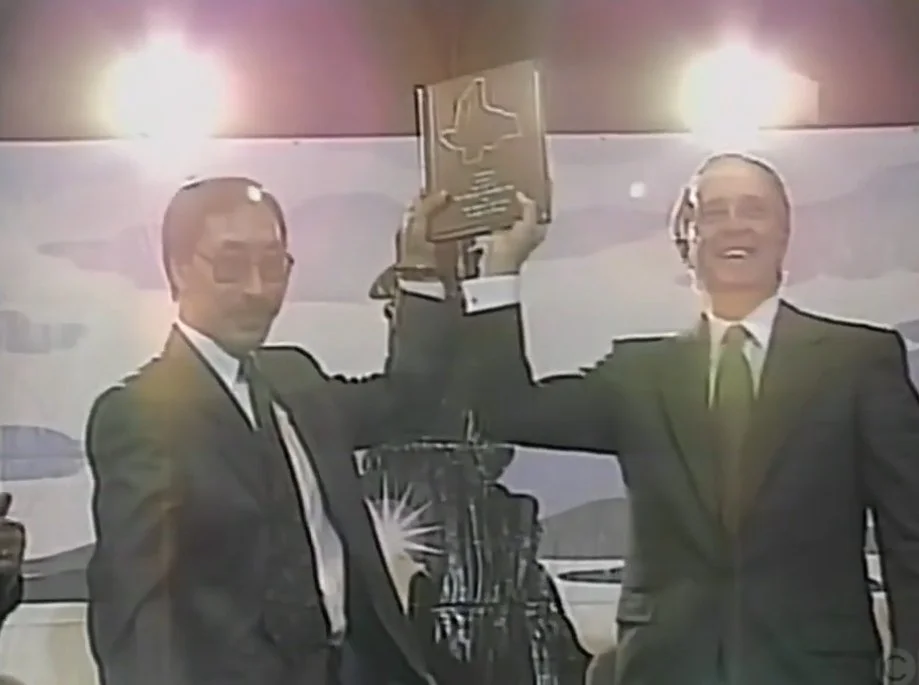
Inuit have spent thirty-three years getting ready for Nunavut devolution. The question, ten months from transfer date, is whether Canada has done the same.
Canada says it wants One Canadian Economy, but it may end up building two.
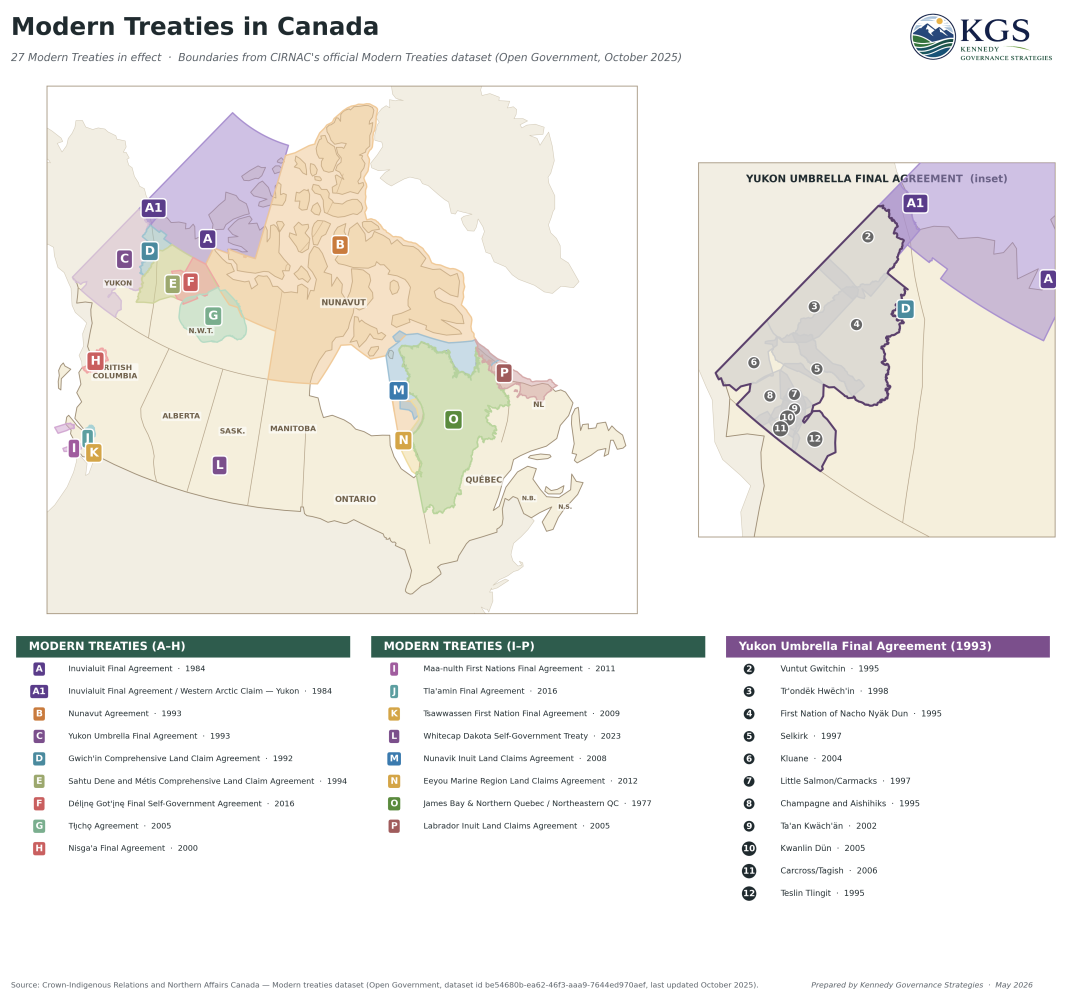
Ottawa wants one year reviews, one Crown consultation process, and pre-cleared economic zones. So why does its plan treat the 40 percent of Canada under Modern Treaties as a footnote?
Nanisivik shuttered. Ekati bankrupt. With $35 billion on the line, Canada can’t afford to keep building without listening to Northerners.
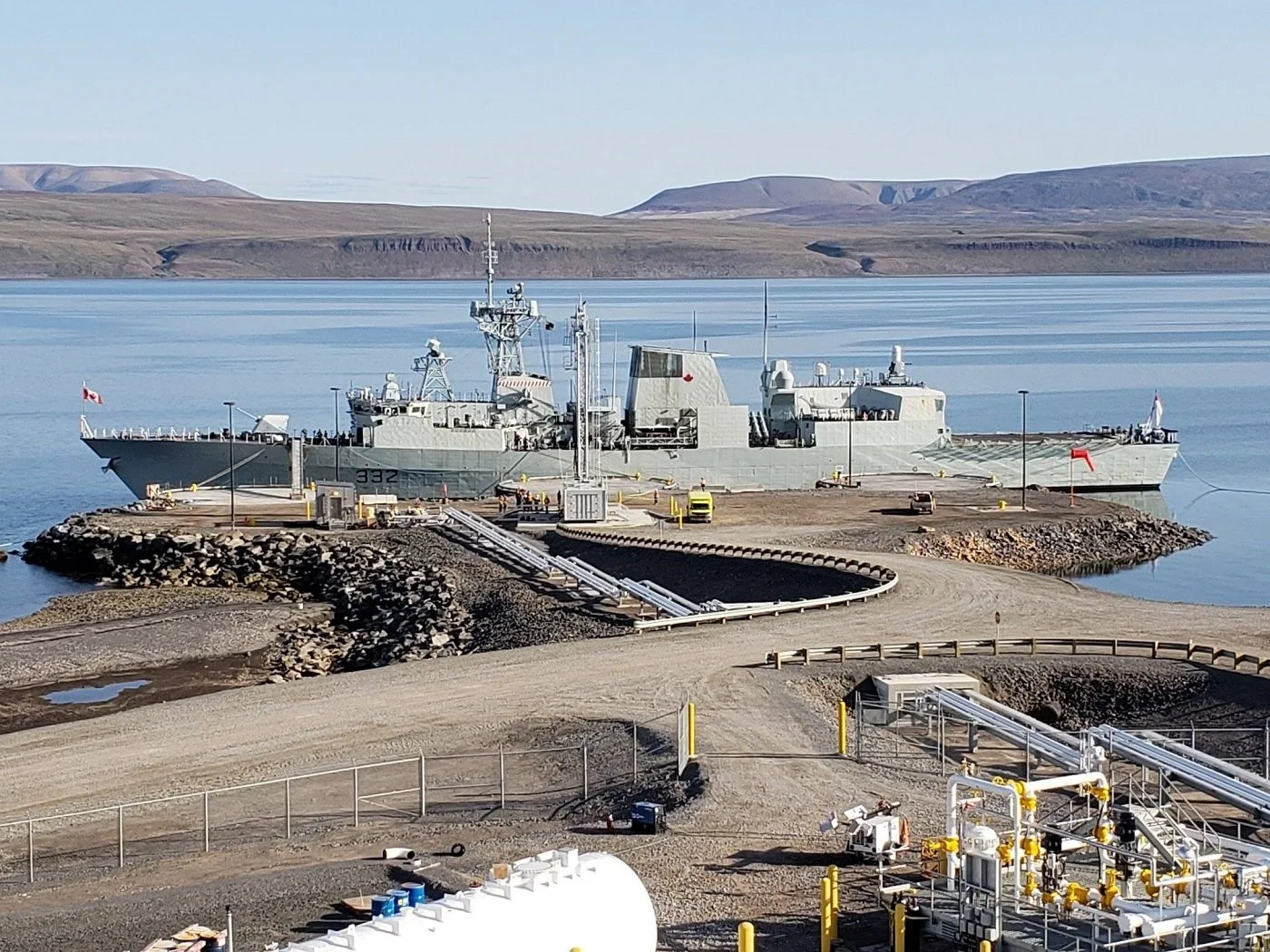
Nanisivik is closing. Ekati is insolvent. Canada has committed $35 billion to Arctic infrastructure, almost all of which will land on Modern Treaty land. The lesson of the last 70 years is that Northern projects designed without Northerners get scaled down, abandoned, or quietly shuttered. The next $35 billion has to be built differently.
Modern Treaties promise certainty. But with overlap issues unaddressed, that promise has a hole in it.
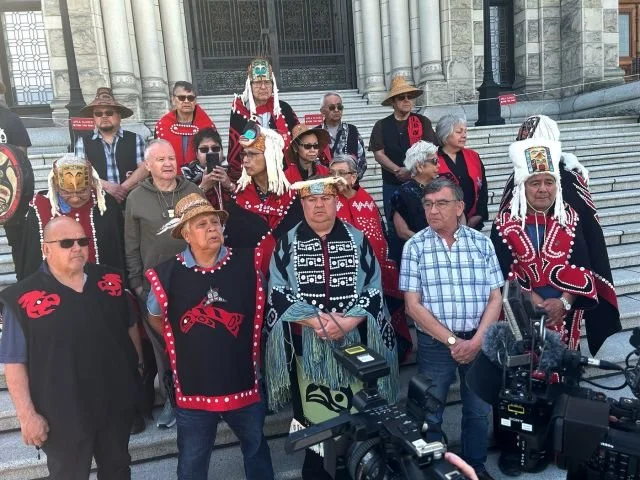
The Kitselas and K'ómoks Treaties represent decades of hard work and democratic decisions by two First Nations. They deserve to come into force on solid ground, celebrated by the Nations that negotiated long and hard to get them.
They, and every Treaty Nation behind them in the BC process, deserve a Crown that does its full job, not one that offloads the hard part and hopes the courts and the corridors hold.
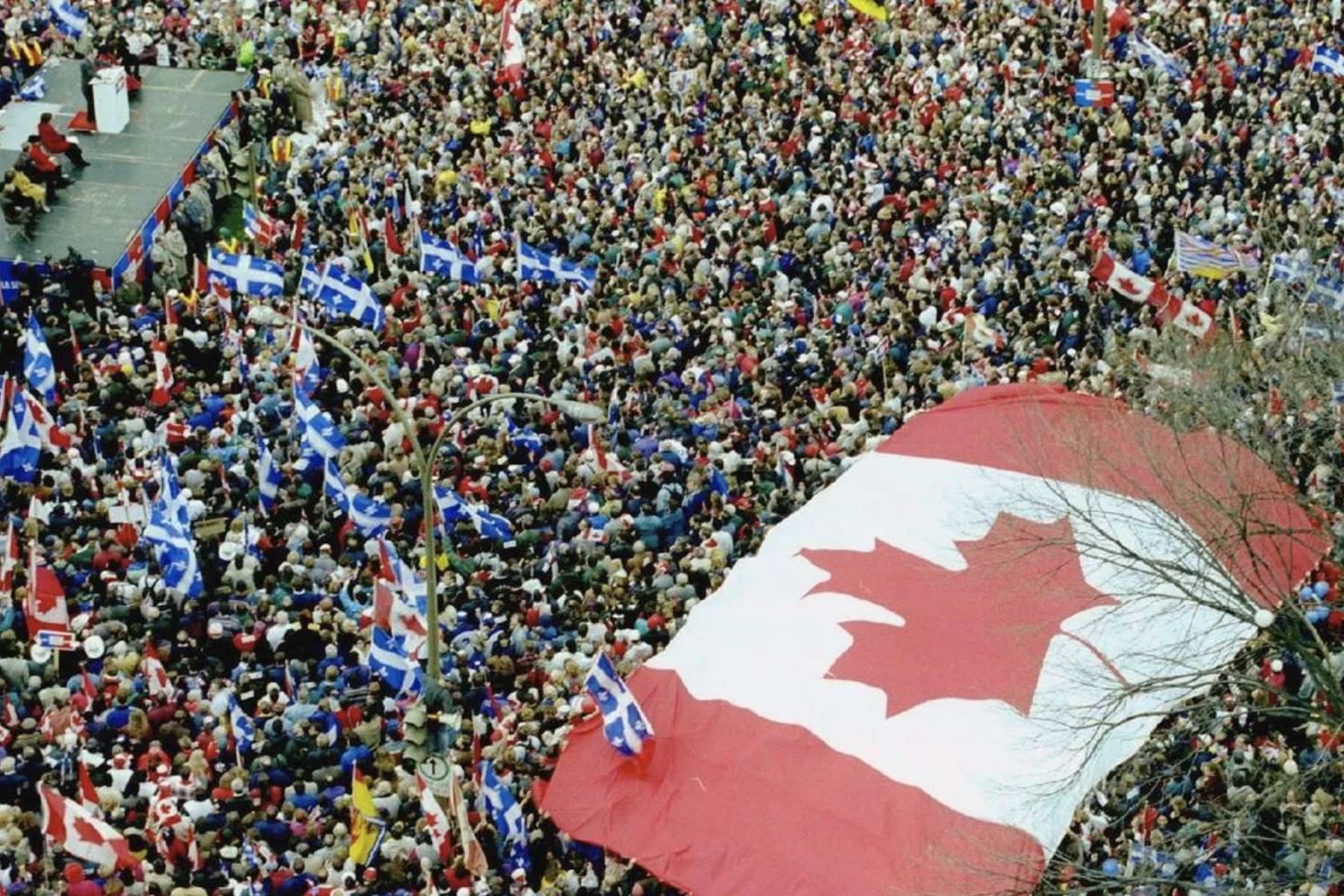
Indigenous Treaty Rights Could Block Alberta and Quebec Separation
The last time Canada faced a real prospect of separation, treaties were largely absent from the conversation, they will not be next time. Any province looking to leave Canada will have to answer a harder question than it did in 1995. Not just whether Canada is divisible. But whether the Treaty relationships that underpin it are.
And that is a question no referendum can settle on its own.
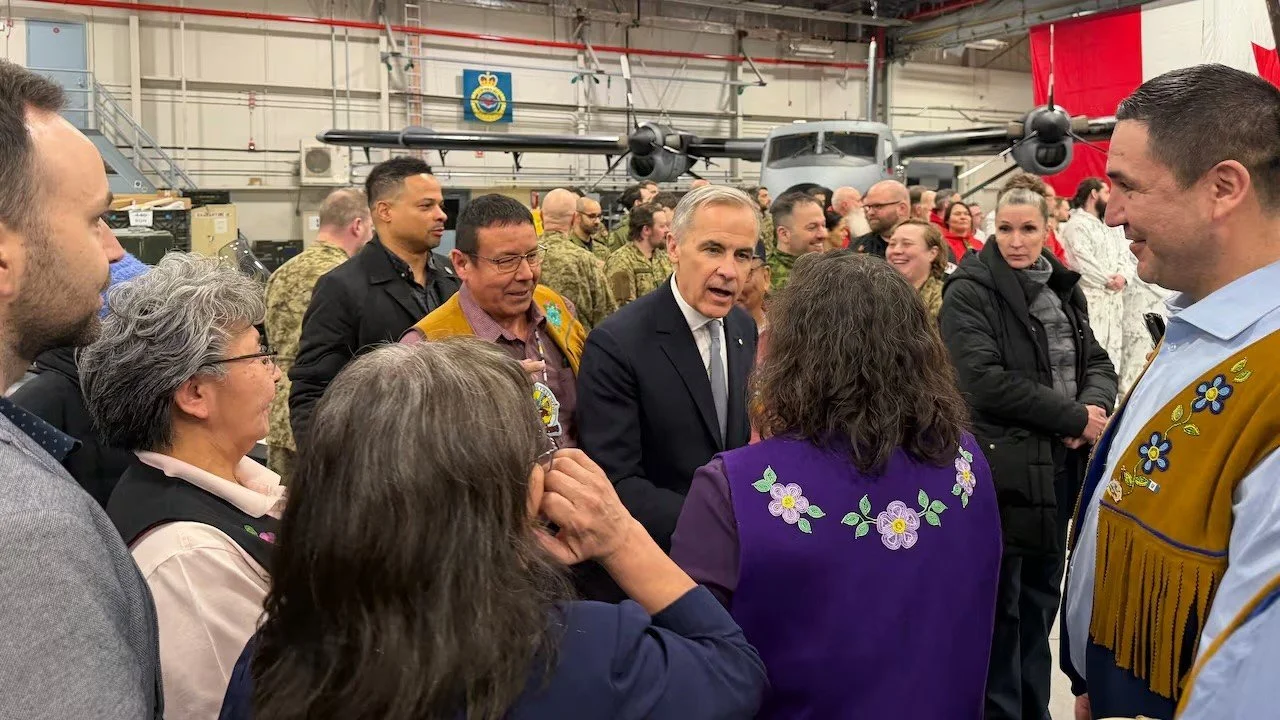
It's time for a new Indigenous Self-Government policy
Why hasn’t Canada replaced its policy approach to Indigenous self-government?
In the 2023 UNDRIP Action Plan, it committed to withdraw both the Comprehensive Land Claims Policy and the Inherent Right Policy and to define a new rights recognition approach. That hasn’t happened. Canada now operates beyond the policy it still formally relies on, creating unnecessary risk and confusion.

Major Projects, Modern Treaties, and Canada’s Push to Build Faster
Unlike many parts of the country where consultation frameworks remain contested, Modern Treaty agreements establish defined authorities, land ownership regimes, and regulatory roles for Indigenous governments.
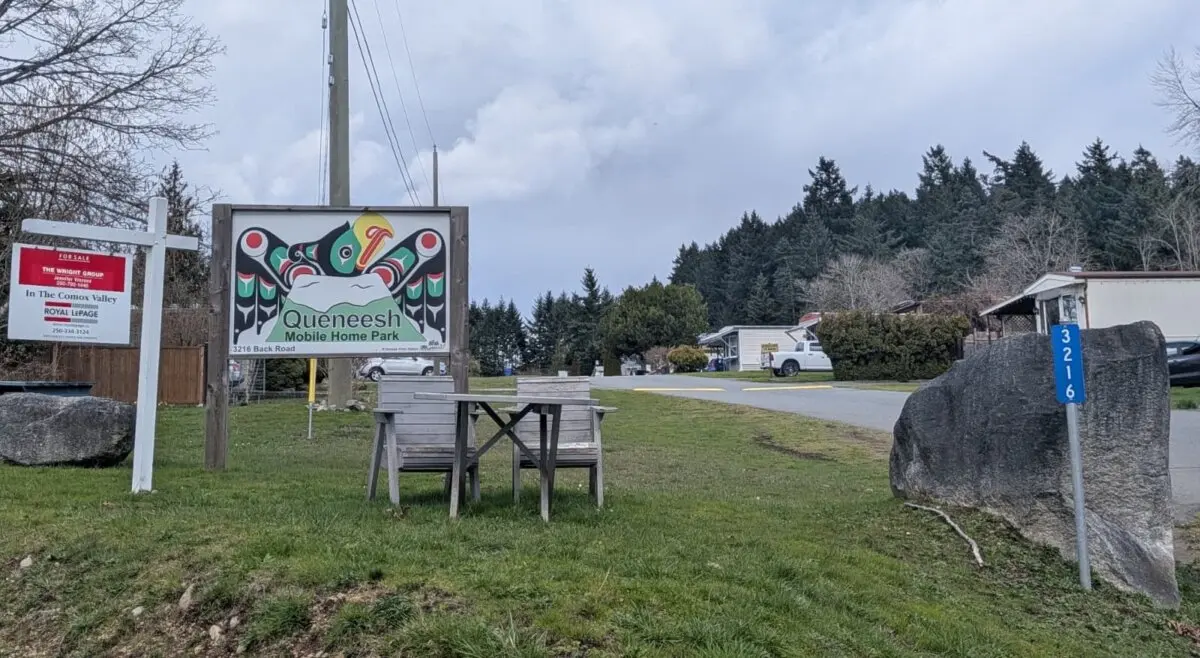
Will Modern Treaties add fuel to the fire on land rights in British Columbia?
Modern Treaties are not about creating new rights. They are about formally recognizing rights that have existed for generations and establishing clear governance arrangements for how those rights are exercised.
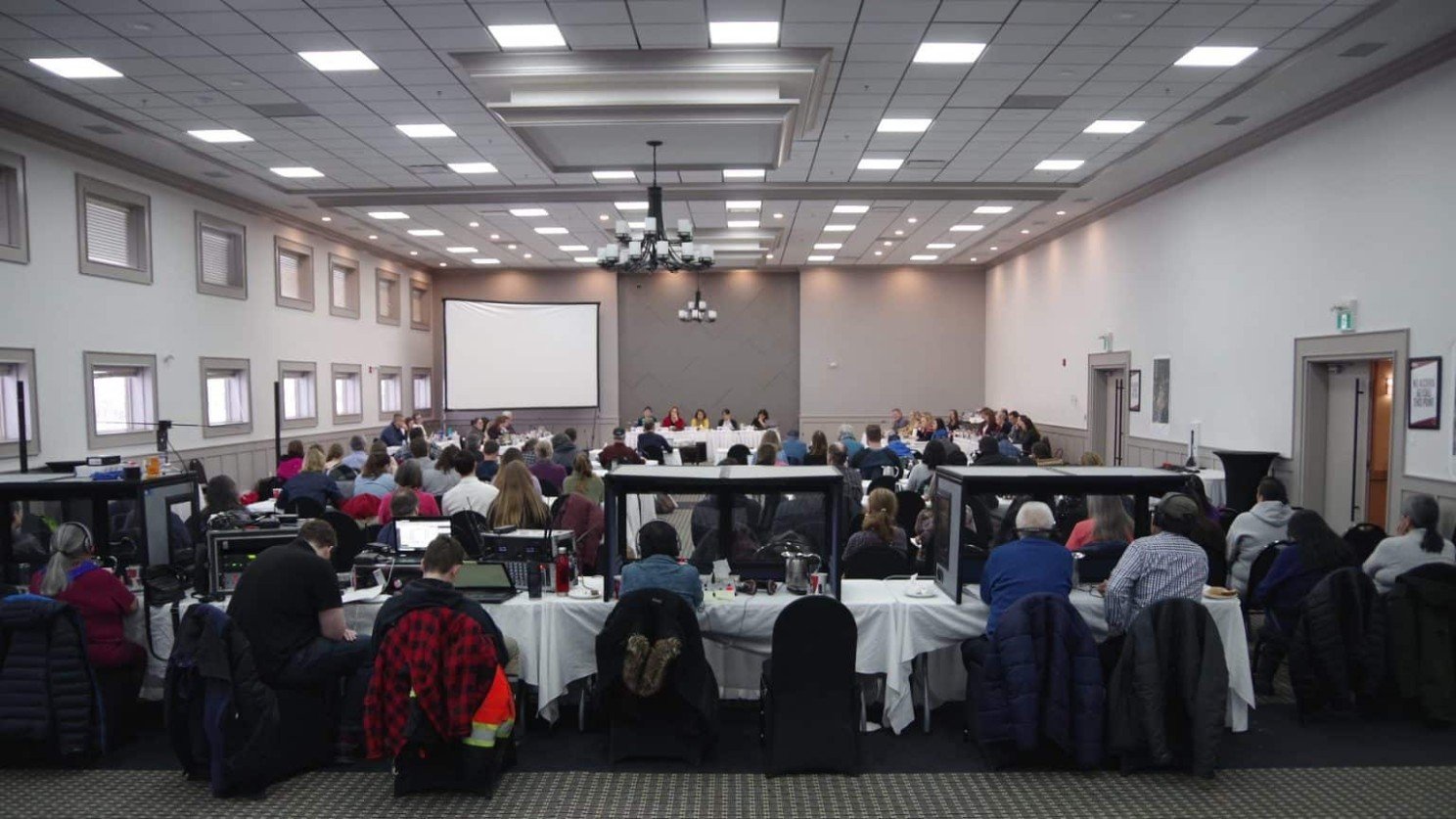
Canada’s $35 Billion Arctic Plan May Depend on Modern Treaties
In Modern Treaty regions, decisions about developments do not move solely through federal or territorial regulators. They move through governance systems created under Modern Treaties, including environmental assessment boards, land use planning bodies, and wildlife management institutions.
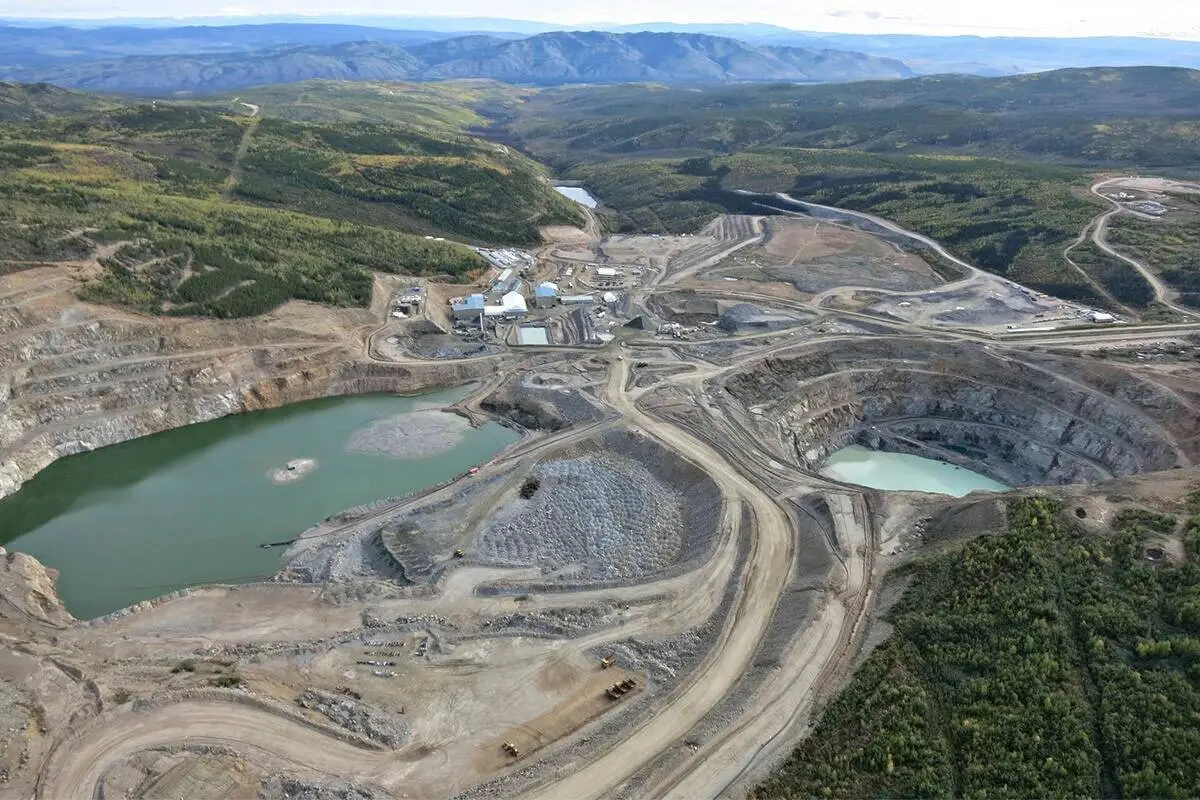
Canada wants faster projects. Modern Treaty Nations can build them.
Modern Treaty Nations are not just participants in projects. Increasingly, they are proponents, partners, land owners, and decision-makers rolled into one, and are shaping how projects are designed from the outset.